
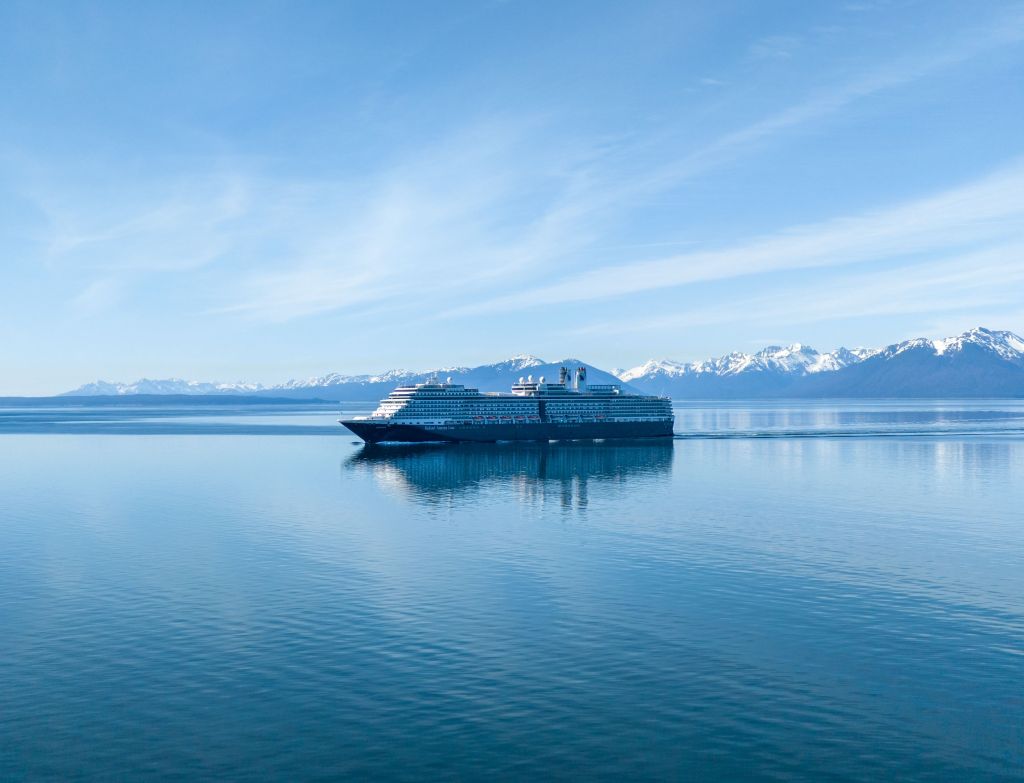
Packing for a September Alaska cruise is less about dressing for “winter” and more about preparing for change. You may walk through mild weather in port, stand in cold wind near a glacier, spend part of the day in rain, and then return to a heated ship.
The short version
Pack for wet, wind, and change—not permanent winter. Bring adjustable layers, dependable rain protection, comfortable footwear suited to your excursions, a few small warm accessories, and a day bag that can handle wet weather. You probably do not need an expedition-weight wardrobe.
This guide is a September-specific companion to What to Pack for an Alaska Cruise—and Why. The broader guide explains the overall packing system; this one focuses on what September changes.
What September weather actually means for your suitcase
September in Southeast Alaska can be cool, wet, windy, surprisingly mild, or several of those things in the same day. National Weather Service climate normals show why packing to one forecast number is risky: Juneau’s 1991–2020 September normals are about 56°F for the average high and 44°F for the average low. Ketchikan’s are about 59°F and 48°F.
The bigger packing clue is moisture. Glacier Bay National Park says September and October tend to be its wettest months and recommends good rain gear, warm layers, a hat, gloves, and waterproof footwear for park conditions. That does not mean every September cruiser needs heavy boots or a winter coat. It means your clothing system should still work when the weather turns wet, windy, and cool.
Useful official references: National Weather Service Juneau climate information and Glacier Bay National Park weather guidance. Check forecasts for your actual ports shortly before departure.
Early September vs. late September
There is no reliable date when September suddenly becomes “winter.” Days generally get shorter and average temperatures trend downward as the month progresses, but individual weather systems matter more than the calendar line. A flexible layering system is more useful than trying to predict one perfect outfit weeks in advance.
Think in layers, not in “Alaska outfits”
A flexible September system usually works better than packing a separate outfit for every possible condition.
1. Start with a comfortable base
Choose tops you are comfortable wearing indoors or under other layers. A long-sleeved shirt is useful on many September days, but you do not automatically need thermal underwear every morning. If you run cold, will be outside for long periods, or have an excursion with colder exposure, one light thermal base layer can be useful.
2. Add a midlayer you will actually reuse
A fleece, sweater, or similar insulating layer gives you warmth without committing you to a bulky coat. Pick something that works under your rain shell and that you would also wear on deck or around town.
3. Finish with weather protection
Your outer layer has the most important job: blocking rain and wind while still fitting comfortably over the layers underneath. A hood is especially useful because umbrellas can be awkward in wind and on crowded walkways.
Do you need a winter coat?
Usually, not as your only strategy. A bulky winter coat can be harder to adjust when the day warms up, when you go indoors, or when you are active. For many cruisers, a warm midlayer plus a rain-and-wind shell is more useful.
A packable insulated jacket can make sense if you get cold easily, plan long periods outside, or expect colder glacier-viewing conditions. The important part is that it fits into your overall layering system rather than replacing it.
What pants make sense in September?
Comfort matters more than having one “correct” Alaska pant. Jeans are fine for dry ship days, travel days, and mild port visits; their drawback is simply that they stay wet longer if they get soaked.
Quick-dry pants can be useful for longer outdoor excursions, wet weather, or days when you expect to move between rain and indoor stops. You do not need to replace your whole wardrobe with technical clothing.
Do you need rain pants?
Rain pants are useful for some September itineraries, but they are not automatically necessary for everyone.
- More useful: hiking, kayaking, small-boat wildlife trips, long outdoor excursions, or forecasts calling for prolonged rain.
- Less essential: short town walks, mostly indoor sightseeing, vehicle-based excursions, or travelers comfortable using quick-dry pants.
Check your excursion operator’s packing instructions before buying specialized gear. Some tours provide equipment you would otherwise use only once.
What shoes do you actually need?
Start with your activities, not with the word “Alaska.” A traveler walking around Juneau or Ketchikan has different footwear needs from someone doing a wet trail or spending hours outdoors.
For a deeper decision guide, see Do You Need Waterproof Shoes for an Alaska Cruise? It breaks down ordinary walking shoes, waterproof trail shoes, and hiking boots without assuming you need to buy a new pair.
What to wear for glacier viewing
Glacier-viewing time can feel colder than a port walk even when the thermometer is similar. You may be standing still, exposed to wind, and spending more time outside.
- Wear your usual layers.
- Keep your rain-and-wind shell easy to reach.
- Add a warm hat and light gloves.
- Consider the extra insulated layer if you tend to get cold.
- Bring binoculars if wildlife and distant scenery matter to you.
Glacier Bay National Park specifically recommends rain gear, waterproof footwear, warm layers, a hat, and gloves because cool, rainy conditions are normal. Follow your ship and excursion guidance as well.
What belongs in your September port-day bag?
- Rain shell.
- One removable warm layer.
- Hat and light gloves when conditions call for them.
- Water and permitted snacks.
- Phone and a charging option if you need one.
- Binoculars if you plan to use them.
- Protection for electronics and anything that must stay dry.
- Required identification and excursion information.
- Your personal day-use essentials.
Before the trip, carry the packed bag around for ten minutes. If it already feels annoying at home, it will not improve after several hours ashore.
What you probably do not need
- A giant parka for every day. Adjustable layers are usually more useful.
- Four or five pairs of shoes. Choose footwear around your actual excursions.
- A completely different outdoor outfit every day. Reuse layers.
- Every viral “cruise essential.” If an item does not solve a problem you actually have, it does not earn suitcase space.
- A purchase for every item on this list. Start with what you already own.
Adjust the list to your excursions
Whale watching or small-boat tours
Prioritize wind protection, an accessible warm layer, and binoculars if you want your own pair.
If Juneau is on your itinerary, compare the actual day before you pack for it: whale watching, Mendenhall Glacier, and combo tours have different timing and exposure.
Hiking
Footwear, traction, and quick-dry clothing matter more here than they do on a simple port walk.
Kayaking or wet activities
Read the operator’s supplied-gear list before buying anything specialized.
Town and sightseeing days
You may need much less specialized gear than online packing lists suggest. Comfortable layers, rain protection, and good walking shoes may be enough.
A simple September Alaska cruise packing checklist
- Comfortable base tops.
- Reusable midlayers.
- Waterproof or dependable rain-and-wind shell.
- Comfortable pants, plus quick-dry options if your excursions justify them.
- Footwear chosen for your actual activities.
- Warm hat and light gloves.
- Sleepwear and shipboard clothing.
- Small day bag.
- Binoculars if wildlife viewing matters to you.
- Electronics, chargers, and dry protection.
- Documents and identification required by your trip.
- Toiletries, medications, and personal essentials.
- Any excursion-specific gear your operator tells you to bring.
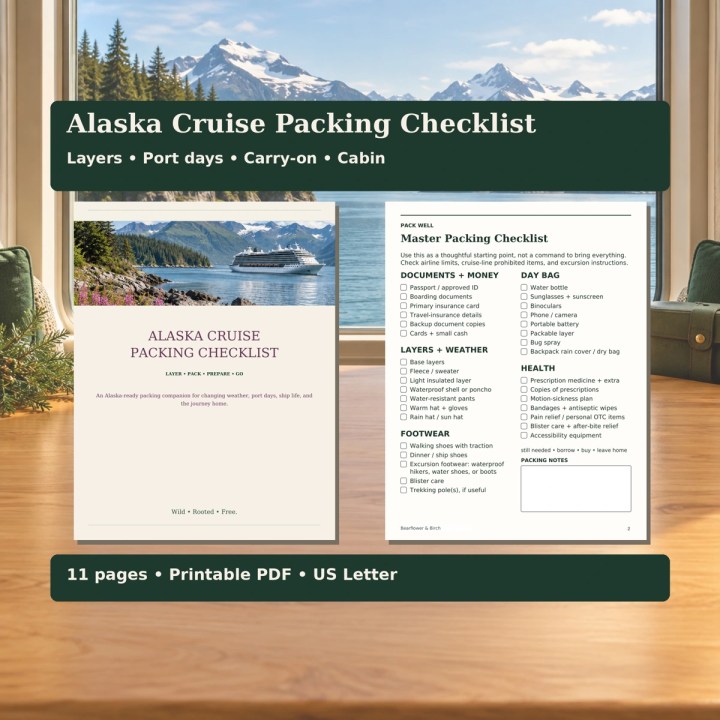
Want the decisions organized in one place?
This article explains why the September choices matter. The Bearflower & Birch Alaska Cruise Packing Checklist gives you one place to organize what you are actually taking, including the port-day and practical details that are easy to forget.
Planning the whole trip? The Alaska Cruise Planner Bundle keeps port plans, excursions, travel details, and packing decisions together.
Related Field Notes
- What to Pack for an Alaska Cruise—and Why
- Do You Need Waterproof Shoes for an Alaska Cruise?
- Juneau Shore Excursions: Whale Watching, Mendenhall, or Both?
Sources: National Weather Service Juneau climate information and National Park Service Glacier Bay weather and visitor guidance. Weather and excursion conditions change, so check current information for your actual sailing before departure.

